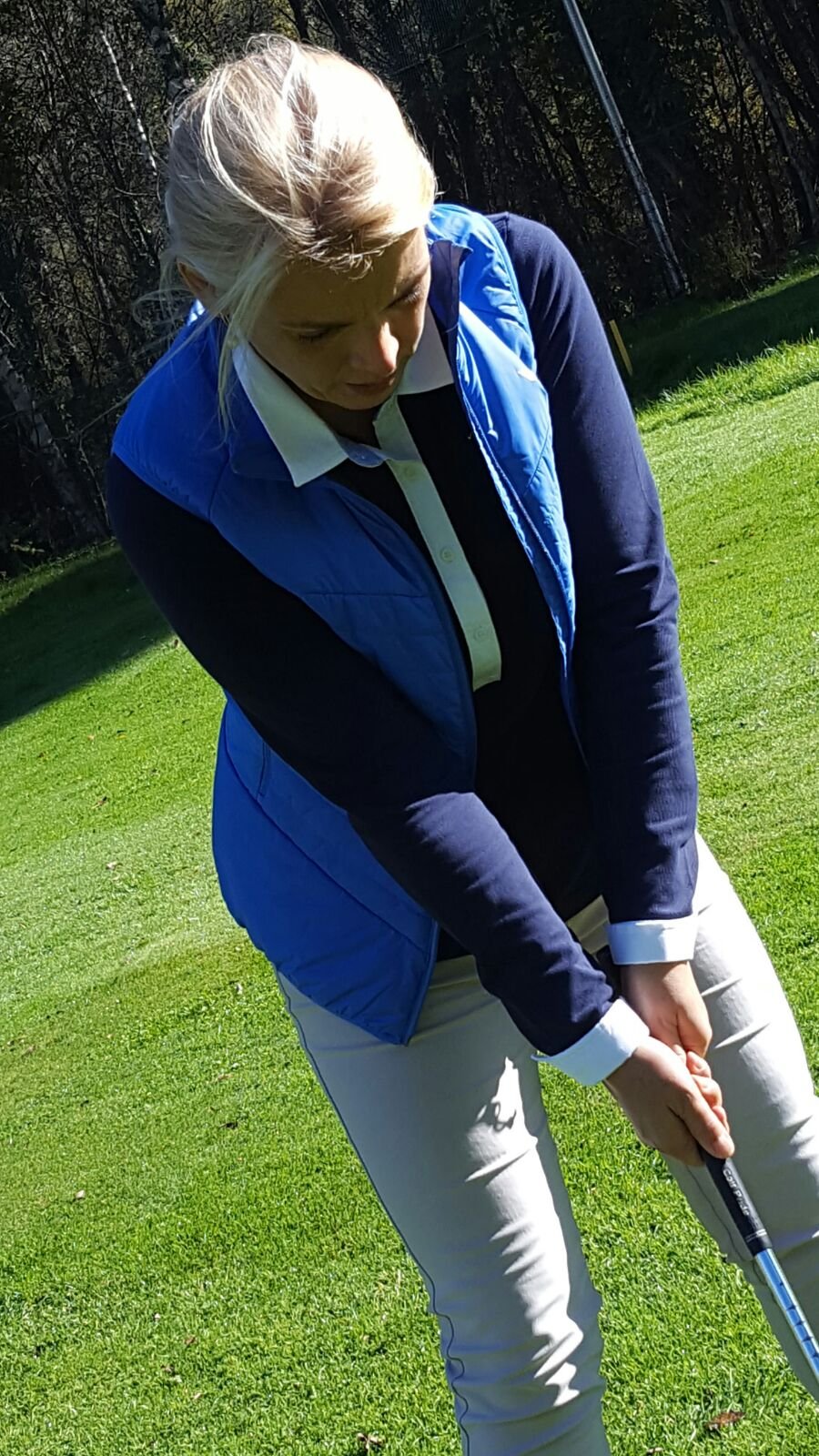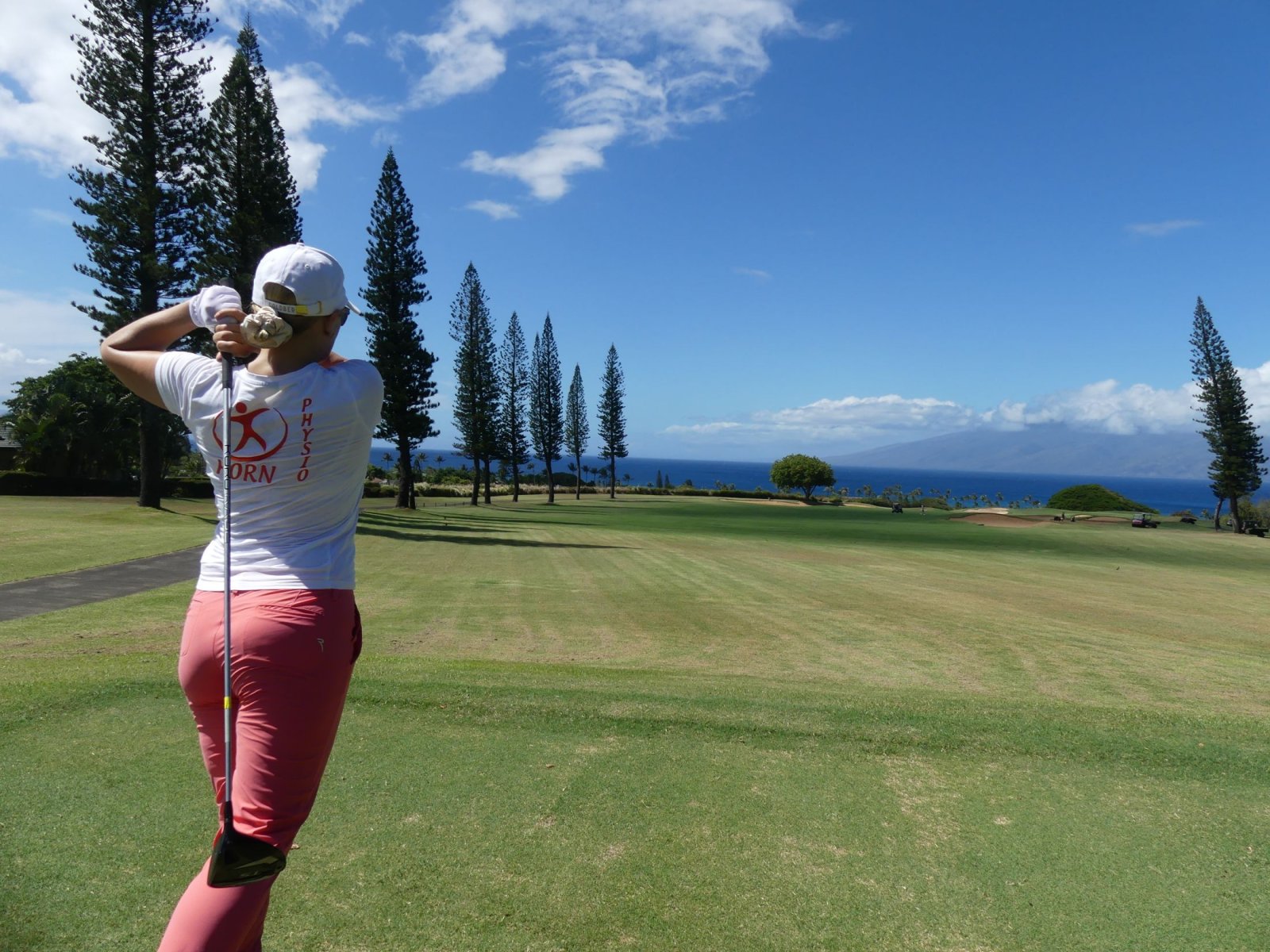
A golf swing doesn’t happen by chance. It relies on precise coordination between mobility, strength, stability, and mental control. Back, shoulder, or knee pain doesn’t just disrupt your swing—it limits your entire performance, no matter the club or gear.
Golf physiotherapy targets exactly these issues: treating typical golf-specific complaints and compensating for physical imbalances. It starts with an individual movement analysis, followed by a customized treatment and training program including strength exercises, mobility work, and stabilization.
Typical Golf-Related Complaints
- big toe joint: Pain similar to hallux valgus
- ankle: Blockages, inversion trauma, pain while rolling off
- knee: Overload of meniscus, cruciate ligaments, collateral ligaments
- hip: Groin pain, early-stage osteoarthritis
- lower back: Pain from overload
- pelvis: Sacroiliac joint blockages, pelvic tilt
- shoulder: Irritation of joint capsule, tendons, muscle attachments
- elbow: Golfer’s or tennis elbow, radial head blockages
- wrist: Blockages, carpal tunnel issues
- thumb joint: Osteoarthritis, wear and tension
- neck: Blockages, nerve irritation, restricted movement
How Golf Physiotherapy Works
After a personal assessment, we create a treatment plan tailored precisely to your weaknesses and complaints. The goal is always to restore mobility and stability, reduce pain, and prevent overload—so golf remains possible at any age and skill level.